Building Vibrant Transit-Oriented Communities Across the Puget Sound
4 minute read | Updated July 31, 2026
Something remarkable is taking shape across the Puget Sound region. As light rail extends to new communities and transit lines weave the region more tightly together, the areas around these stations are blossoming into some of the most vibrant, sought-after neighborhoods in Washington State. Around station after station, a new kind of community is emerging—mixed-use districts where people live, work, shop, and gather within easy reach of high-quality transit. These transit-oriented communities represent one of the most exciting opportunities in the region's growth, and they sit precisely at the intersection of transit and real estate that defines the future of urban development.
For the developers and property managers shaping these communities, the moment is extraordinary. The expansion of the region's transit network—driven by the voter-approved Sound Transit 3 program and billions in regional investment—is creating an unprecedented opportunity to build thriving, connected, walkable neighborhoods anchored by the convenience of transit. (Because the program spans decades and timelines continue to evolve, we recommend confirming the latest milestones directly with Sound Transit.) The question for those building these communities is how to make the most of this opportunity—how to ensure that the connection between transit and place is as seamless, vibrant, and valuable as it can be.
At Interactive Touchscreen Solutions, Inc., powered by Navigo®, we believe interactive wayfinding is one of the most powerful catalysts for vibrant transit-oriented communities. By creating a seamless, intuitive connection between transit hubs and the retail, residential, and mixed-use properties that surround them, interactive wayfinding helps these communities realize their full potential—turning the threshold between station and neighborhood into a gateway of discovery and connection. This article explores the rise of transit-oriented development across the Puget Sound, why the connection between transit and place matters so much, and how interactive wayfinding helps build the vibrant communities the region is creating.
The Rise of Transit-Oriented Communities
Transit-oriented development—the practice of building dense, walkable, mixed-use communities around high-quality transit—has become one of the defining patterns of growth across the Puget Sound region. As the transit network expands, the areas surrounding stations are emerging as natural focal points for development, drawing residential, retail, and commercial investment to the convenience and connectivity that transit provides.
The appeal is clear and compelling. For residents, a transit-oriented community offers the ability to live within easy reach of work, shopping, dining, and the wider region—reducing reliance on cars and embracing a more connected, walkable way of life. For retailers and businesses, these communities offer access to the steady flow of residents and transit riders moving through the area. For developers and property managers, transit-oriented locations represent some of the most valuable and sought-after opportunities in the region—places where the convenience of transit, the vibrancy of mixed-use development, and the momentum of regional growth all converge.
As the region's network continues to expand under ST3, this pattern is accelerating. Each new station becomes a potential anchor for a flourishing community, and the opportunity to shape these communities thoughtfully has never been greater. The developers and property managers who recognize and embrace this opportunity are positioned to create not just successful properties, but vibrant, connected places that define the region's future.
The opportunity, then, is to build these communities in a way that fully realizes their potential—that makes the connection between transit and place feel seamless, that helps residents and visitors move effortlessly between the station and the neighborhood, and that brings the vibrancy of these communities to life.
The Threshold Between Transit and Place
At the heart of every transit-oriented community lies a critical threshold: the connection between the transit hub and the neighborhood that surrounds it. This threshold—the moment a rider steps off a train and into the community, or a resident heads from the neighborhood toward the station—is where the promise of transit-oriented development is either realized or left incompletely fulfilled.
Consider the experience of a rider arriving at a station in a vibrant transit-oriented community. Beyond the station lies a wealth of destinations—shops, restaurants, residences, workplaces, public spaces. But how does the rider discover and navigate to them? How does the community make itself known and accessible to the people moving through the station? This is the threshold question, and how it is answered shapes the vibrancy of the entire community.
When this connection is seamless—when riders can easily discover and navigate to the destinations around them—the community comes alive. Riders become visitors to local shops and restaurants. The station becomes a true gateway to the neighborhood. The flow of people moving through transit translates into vibrancy and activity throughout the community. But when this connection is left to chance, the full potential goes unrealized; the station and the neighborhood remain more separate than they need to be, and the opportunity for vibrancy is diminished.
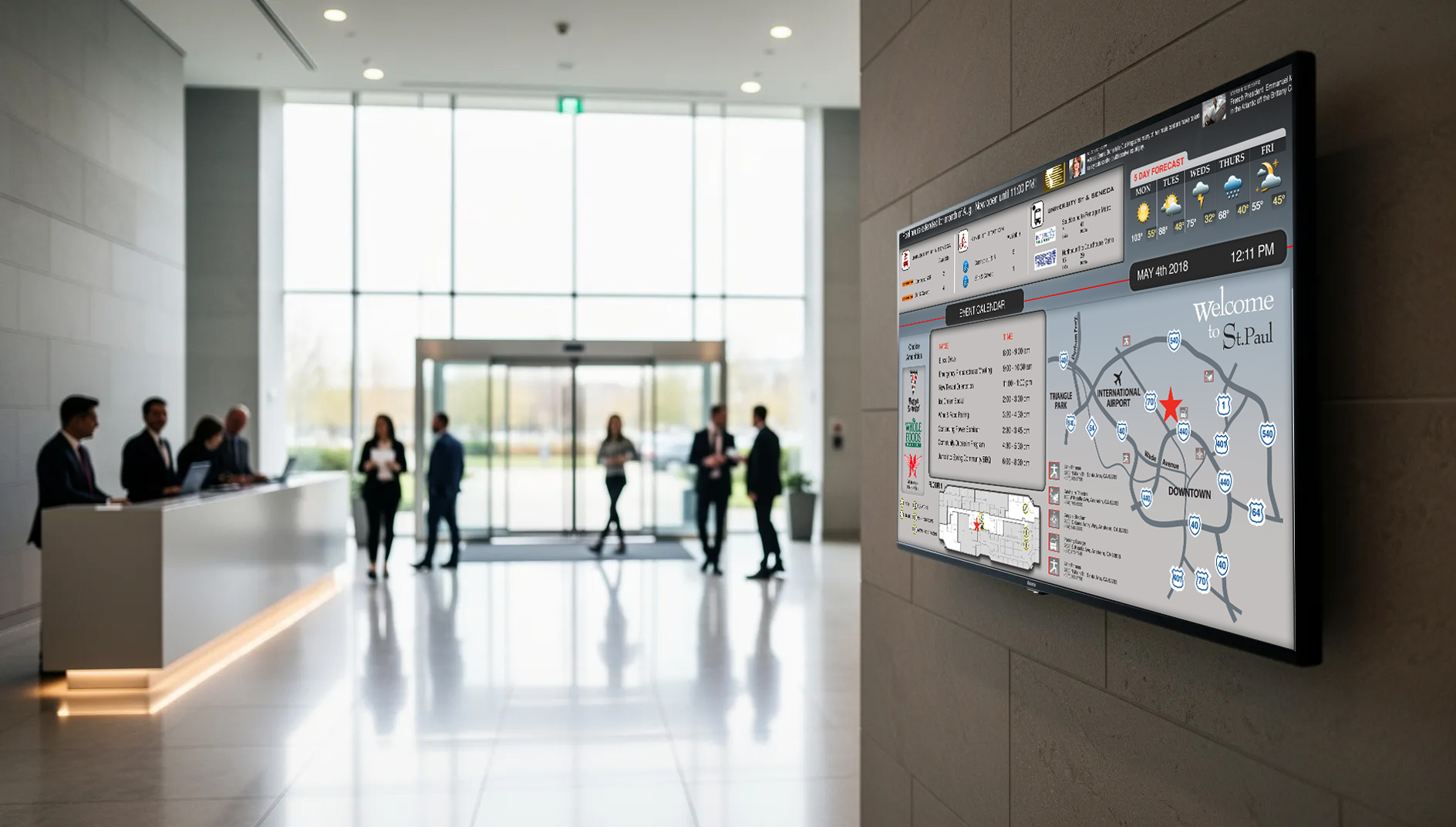
This is precisely where interactive wayfinding becomes such a powerful catalyst. By creating a seamless, intuitive connection between the transit hub and the surrounding community, interactive wayfinding helps realize the full promise of transit-oriented development—turning the threshold between station and place into a gateway of discovery and connection.
How Interactive Wayfinding Catalyzes Vibrant Communities
Interactive wayfinding contributes to the vibrancy of transit-oriented communities in several powerful ways, each strengthening the connection between transit and the places that surround it.
Connecting riders to surrounding destinations. Interactive directories can extend beyond the station to orient riders toward the retail, dining, and destinations of the surrounding community. When a rider arriving at a station can easily discover what lies beyond—the shops, restaurants, and spaces that make the community vibrant—the station becomes a gateway, and the community comes alive with the flow of people it welcomes.
Showcasing the community's offerings. Interactive wayfinding can highlight the businesses, amenities, and attractions that define a transit-oriented community, helping riders and residents discover all that the neighborhood has to offer. This discovery is mutually beneficial: riders find vibrant destinations, and the community's businesses connect with the people moving through the area.
Creating a seamless, welcoming arrival. For a transit-oriented community to thrive, the experience of arriving must feel welcoming and effortless. Interactive wayfinding ensures that riders and visitors can navigate confidently from the station into the neighborhood, removing friction from the threshold and making the entire community feel accessible and inviting.
Reinforcing the identity of the community. A thoughtfully designed interactive wayfinding system reinforces the character and quality of a transit-oriented community. Just as the design of a premium development communicates its identity, intuitive and elegant wayfinding signals a community that is thoughtfully designed, well-connected, and worth exploring—enhancing the appeal of the entire development.
Strengthening the value of the connection. Ultimately, by making the connection between transit and place seamless, interactive wayfinding strengthens the very thing that makes transit-oriented development so valuable: the connectivity. When that connectivity is fully realized, the value of the surrounding properties is reinforced, and the community thrives.
Together, these contributions make interactive wayfinding a genuine catalyst for vibrant transit-oriented communities—helping the flow of people through transit translate into the vibrancy, discovery, and connection that define a thriving neighborhood.
Lessons from Premium Developments and Complex Communities
Creating wayfinding that connects people seamlessly to the destinations around them—and that enhances the vibrancy and value of a development—is a discipline we've refined across years of work in some of the most sophisticated commercial and institutional environments.
Consider the premium commercial developments and complex campuses we've partnered with, from major institutions in Chicago to sophisticated mixed-use properties. In these environments, helping people discover and navigate to the destinations within—the shops, the services, the spaces—is central to the vibrancy and success of the development. The best developments understand that intuitive wayfinding is not merely functional; it is a catalyst that brings the development to life by connecting people to all it has to offer. Wayfinding that makes a space feel discoverable, accessible, and inviting directly enhances its vibrancy and value.
The parallel to transit-oriented communities is direct and deeply relevant. Both are environments where the connection between people and the destinations around them defines the vibrancy of the whole. Both benefit enormously from wayfinding that makes discovery effortless and arrival welcoming. And both gain value when that connection is seamless and intuitive. When Interactive Touchscreen Solutions, Inc. approaches a transit-oriented community, we bring the accumulated insight of countless deployments across premium developments, mixed-use properties, hospitals, and campuses—all grounded in the understanding that great wayfinding is a catalyst for vibrant, connected, valuable places.
A Strategic Opportunity for Developers and Property Managers
For the developers and property managers shaping the Puget Sound's transit-oriented communities, interactive wayfinding represents a strategic opportunity that speaks directly to their goals. As the region's transit network expands and transit-oriented development accelerates, the ability to fully realize the connection between transit and place becomes an increasingly valuable differentiator.
Interactive wayfinding is a way to amplify the value of transit-oriented locations. By making the connection between the station and the surrounding community seamless, it helps ensure that the convenience of transit translates fully into the vibrancy and value of the development. A transit-oriented community where riders flow effortlessly into vibrant retail and mixed-use spaces is a community that realizes its full potential—and that potential is precisely what makes these developments so valuable. For property managers, interactive wayfinding enhances the experience of the community, supports the businesses within it, and reinforces the appeal of the entire development.
For transit agencies, this connection is valuable as well. When the communities surrounding stations are vibrant and well-connected, the entire transit network becomes more valuable and more deeply woven into the fabric of the region. The success of transit-oriented communities and the success of the transit network are mutually reinforcing, and interactive wayfinding strengthens both at once. This is where the transit opportunity and the CRE opportunity converge most powerfully—in the shared goal of building vibrant, connected communities anchored by high-quality transit.
This is also where Interactive Touchscreen Solutions, Inc. positions itself as a strategic partner rather than simply a vendor. The most successful transit-oriented community projects begin with collaboration—understanding the vision for the community, the character of the development, the destinations that define it, and the goals of the developers and property managers shaping it. From there, we design solutions that connect transit to place seamlessly, bring the community to life, and deliver lasting value as the neighborhood flourishes.

Designing Vibrancy for the Long Horizon
One of the great advantages of interactive wayfinding is that it grows and evolves alongside the communities it serves. As a transit-oriented community develops—as new businesses open, new spaces emerge, and the neighborhood matures—interactive wayfinding updates dynamically to reflect this evolution. New destinations are added effortlessly, keeping the wayfinding experience current as the community grows. Unlike static signage, which captures only a single moment in a community's development, interactive wayfinding keeps pace with the living, evolving neighborhood.
This adaptability is especially valuable in transit-oriented communities, which are dynamic by nature—growing and changing as they mature into their full vibrancy. An interactive wayfinding platform that evolves alongside the community ensures that the connection between transit and place remains seamless throughout the community's growth, continually supporting the vibrancy and value of the development. Developers and property managers who invest in interactive wayfinding today are building a foundation that will support their communities as they flourish for years to come.
Communities That Come Alive
In the end, building vibrant transit-oriented communities is about a beautiful and powerful idea: weaving transit and place together so seamlessly that the flow of people through a station becomes the vibrancy of a thriving neighborhood. When riders arrive and effortlessly discover the shops, restaurants, and spaces around them, when residents move easily between their community and the wider region, when the threshold between transit and place dissolves into a seamless, welcoming experience—that is when a transit-oriented community truly comes alive.
The opportunity before the developers and property managers shaping the Puget Sound's future is extraordinary. The expansion of the region's transit network is creating an unprecedented chance to build thriving, connected communities anchored by high-quality transit. The opportunity now is to ensure these communities realize their full potential—to make the connection between transit and place as seamless and vibrant as it can be.
That is the experience Interactive Touchscreen Solutions, Inc., powered by Navigo®, exists to create. We believe that interactive wayfinding, thoughtfully designed, can serve as a catalyst for vibrant transit-oriented communities—connecting transit hubs to the retail, residential, and mixed-use properties that surround them, and helping these communities flourish into the thriving, connected places that define the region's future.
The Puget Sound's transit-oriented communities are taking shape right now. There has never been a better moment to ensure they come alive in their full vibrancy.
Ready to build vibrant transit-oriented communities?
Interactive Touchscreen Solutions, Inc., powered by Navigo®, partners with developers, property managers, and transit agencies to design interactive wayfinding that connects transit hubs to surrounding communities and brings transit-oriented developments to life. Let's explore what's possible for your community.
Connect with our team today.
A note on sourcing: The transit and development context referenced above—including the voter-approved ST3 expansion and the growth of transit-oriented development across the Puget Sound region—is drawn from publicly available information through early 2026.
Frequently Asked Questions
What is transit-oriented development? What does "transit-oriented community" mean?
Transit-oriented development is the practice of building dense, walkable, mixed-use communities around high-quality transit—neighborhoods where people live, work, shop, and gather within easy reach of a station. Across the Puget Sound region, the areas surrounding stations are blossoming into some of the most vibrant, sought-after neighborhoods in Washington State, drawing residential, retail, and commercial investment to the convenience and connectivity that transit provides.
As light rail extends to new communities under the voter-approved ST3 program and billions in regional investment, each new station becomes a potential anchor for a flourishing community. The convenience of transit, the vibrancy of mixed-use development, and the momentum of regional growth all converge, creating an unprecedented opportunity to build thriving, connected, walkable neighborhoods. (We recommend confirming the latest ST3 milestones directly with Sound Transit, as timelines continue to evolve.)
Why does the connection between transit and place matter so much?
At the heart of every transit-oriented community lies a critical threshold: the connection between the transit hub and the neighborhood that surrounds it—the moment a rider steps off a train and into the community, or a resident heads from the neighborhood toward the station. How this threshold is answered shapes the vibrancy of the entire community.
When riders can easily discover and navigate to the destinations around them, the community comes alive. Riders become visitors to local shops and restaurants, the station becomes a true gateway to the neighborhood, and the flow of people moving through transit translates into vibrancy and activity throughout the community. When the connection is left to chance, that full potential goes unrealized.
How does interactive wayfinding connect riders to surrounding destinations?
Interactive directories can extend beyond the station to orient riders toward the retail, dining, and destinations of the surrounding community. When a rider arriving at a station can easily discover what lies beyond—the shops, restaurants, and spaces that make the community vibrant—the station becomes a gateway, and the community comes alive with the flow of people it welcomes. It also showcases the community's businesses and amenities, connecting them with the people moving through the area.
How does it reinforce the value of a development?
By making the connection between transit and place seamless, interactive wayfinding strengthens the very thing that makes transit-oriented development so valuable: the connectivity. A thoughtfully designed system also reinforces the character and quality of the community, signaling a place that is well-connected and worth exploring. When connectivity is fully realized, the value of the surrounding properties is reinforced, and the community thrives.
How does this benefit developers and property managers?
As the region's transit network expands and transit-oriented development accelerates, the ability to fully realize the connection between transit and place becomes an increasingly valuable differentiator. Interactive wayfinding amplifies the value of transit-oriented locations by ensuring the convenience of transit translates fully into the vibrancy and value of the development. A community where riders flow effortlessly into vibrant retail and mixed-use spaces is one that realizes its full potential.
Interactive wayfinding highlights the businesses, amenities, and attractions that define a transit-oriented community, helping riders and residents discover all the neighborhood offers. This discovery is mutually beneficial: riders find vibrant destinations, and the community's businesses connect with the people moving through the area—enhancing the experience of the community and reinforcing the appeal of the entire development.
What makes Interactive Touchscreen Solutions, Inc. a strong partner for TOD projects?
Interactive Touchscreen Solutions, Inc., powered by Navigo®, has refined the discipline of connecting people seamlessly to surrounding destinations across years of work in sophisticated commercial and institutional environments—from major Chicago institutions to mixed-use properties. In these settings, intuitive wayfinding is a catalyst that brings a development to life by connecting people to all it offers. That expertise translates directly to transit-oriented communities.
How does the team approach a transit-oriented community project?
The most successful projects begin with collaboration—understanding the vision for the community, the character of the development, the destinations that define it, and the goals of the developers and property managers shaping it. From there, solutions are designed to connect transit to place seamlessly, bring the community to life, and deliver lasting value as the neighborhood flourishes, positioning the company as a strategic partner rather than simply a vendor.
Contact us today to learn more about Navigo® for your property.